
When a ceramic component needs improved performance, a tougher material can sound like the obvious response. The development question is usually broader. Geometry, interfaces, manufacturing variation, and actual operating conditions all deserve consideration before a different grade is expected to solve the problem.
Composite ceramic candidates should therefore be assessed as part of a component programme. Their appeal needs to be connected with the failure concern or functional requirement that prompted the investigation. A material description can guide an enquiry, but it cannot replace evidence about the finished part and its intended use.
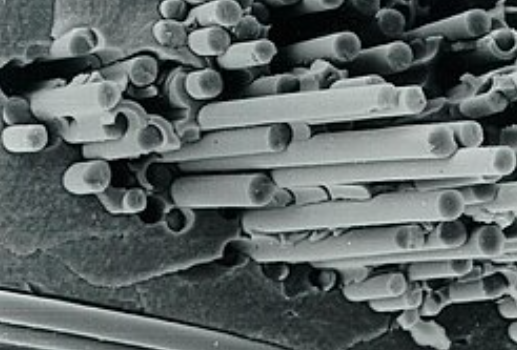
Rauschert describes Composite ceramics based on combinations of aluminium oxide and zirconium oxide, including ATZ and ZTA. Its overview identifies fracture toughness and flexural strength among the properties of interest. Discuss the particular grade and comparison basis before treating those broad benefits as a prediction for a specific component.
State the problem before selecting the solution
Begin with a factual description of the requirement or concern. Explain where the current part is used, what has been observed, and which evidence is available. Keep a suspected explanation separate from an established cause.
Ask whether the change is intended to address a known limitation, improve a margin, or enable a new application. These are different objectives. Define what success would mean and who will approve the decision. This keeps material selection connected to a testable question instead of a general hope that a more advanced label will produce a better part.
Understand what the material data establishes
Request information for the actual candidate grade. Ask which properties are relevant, how values were measured, and what variation or limitations should be considered. Keep typical figures distinct from agreed supply requirements.
Avoid ranking candidates using one value alone. Review the complete requirement set with the supplier and project specialists. Where information is not directly comparable, record the issue and identify an appropriate next step. A clear qualification of the available data is more useful than a confident comparison assembled from figures that describe different methods, specimens, or conditions.
Examine the design around the material
Review the component drawing and assembly before assuming a grade substitution is sufficient. Ask which geometric features and interfaces deserve further assessment. Include the way the part is manufactured, handled, installed, and supported.
Keep proposed changes separate so their effects can be investigated. If material and geometry are altered together, document that relationship rather than attributing every improvement to composition. A coordinated review lets the team decide whether the best route is a new material, a revised arrangement, a manufacturing change, or a programme investigating more than one possibility.
Build a controlled comparison
Define a reference and candidate group whose histories can be understood. Record the grade, preparation, finishing, and relevant inspection information for each specimen or prototype. Ask specialists what must be controlled for the comparison to answer its intended question.
Agree acceptance criteria and stopping rules before testing. Preserve individual observations instead of retaining only a summary that favours one option. If behaviour differs, investigate the pattern with the people responsible for the work. The goal is an informed decision about the candidate, not a promotional demonstration in which every result must support the original preference.
Move from specimens to the component carefully
Identify the reasoning needed to connect material tests with the finished part. Ask what application-specific checks are appropriate and which operating conditions the programme can represent. Record limitations rather than extending a result to every possible use.
Review the assembly under the relevant scenarios before release. Where additional evidence is needed, assign the work and keep the approval conditional. A promising material remains a candidate until the agreed component requirements have been addressed. This distinction helps prevent procurement or scheduling pressure from converting an exploratory result into an unsupported qualification claim.
Plan how early production feedback will be reviewed against the qualification basis. Keep manufacturing observations connected to the approved configuration and ask whether any new finding warrants investigation. This creates a defined learning route without treating every routine observation as evidence that the material choice was wrong.
See also: Artificial Intelligence in Web Graphics
Preserve the approved configuration
Document the final grade, drawing revision, manufacturing route where specified, and inspection requirements. Define how proposed substitutions or changes will be reviewed. Retain the evidence supporting acceptance with the approved specification so later teams can reconstruct the decision.
Composite ceramics can be assessed most effectively when material properties remain connected to the actual engineering problem. A precise question, a controlled comparison, and a justified transition to component verification provide that connection. The resulting approval explains not simply which grade was chosen, but why the complete configuration was considered suitable for its defined work and what boundaries apply to that conclusion.
